

VOICE 186
Uxia Alonso,
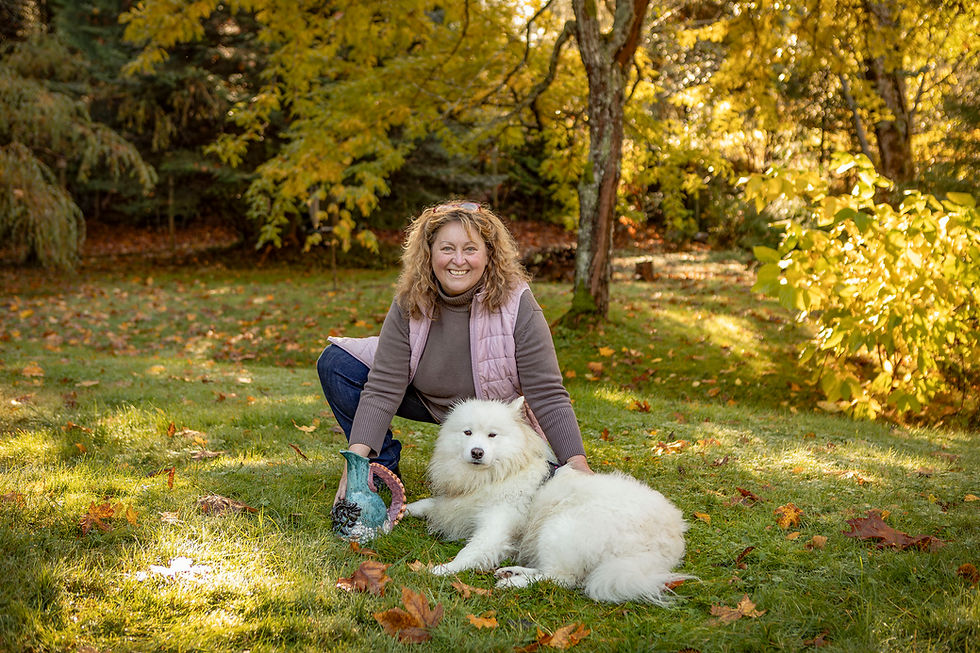
Owner & designer of Fento
Photography - HIRO Interview - MINA

“To honour midlife women and bring them back to the place in society where we once belonged, and where we can be recognized again.”
Named after the fern — fento in Galician — Fento represents resilience, renewal, and deep-rooted strength. Qualities that seem to mirror its founder and designer, Uxia, herself.
Born and raised in Galicia, northwestern Spain, Uxia feels a deep connection to her Celtic heritage, particularly the historical role of Celtic women, who held positions of respect and influence in their communities. This legacy informs her vision for Fento: a rebellion against fast fashion and an expression of her feminist values. Through her designs, she challenges the idea that women become less visible as they age, creating clothing that celebrates their strength, individuality, and evolving sense of self. Above all, she wants women, especially those in midlife, to feel seen, valued, and confident in who they are.
Wearing a Fento piece reminds you how thoughtfully made clothing can shape how you feel. Soft against the skin and easy to move in, each piece feels natural on the body, almost like a second skin. It's clothing that makes you feel at ease and free to be yourself.
Think about it. We spend much of our lives in direct contact with our clothes. They become, in a way, an extension of ourselves. So why not choose the best possible materials — ones that are kind to both our skin and the planet. This is one of Fento's core beliefs.
Uxia never takes shortcuts, even when doing things the right way takes more time and effort. With Fento, you can feel confident that every choice, from the materials to the smallest details, has been carefully considered. It's clothing made with integrity, where quality is never compromised for convenience.
To find a piece of clothing you love so much that it becomes part of your life, something you wear and treasure for years. Timeless, free from trends, and made to be loved for a lifetime. Through Fento, Uxia hopes to celebrate lasting style and inspire women to embrace every stage of life with confidence.
V: Tell us about your background and what brought you to the Comox Valley.
U: I spent over 25 years in the fashion industry, primarily in Spain. Fashion had always been my passion, and I built a successful career, eventually reaching an executive position. Over time, though, I found myself increasingly uncomfortable with some of the industry's practices, particularly around ethics and sustainability. In my final role with a Danish fast-fashion company in Europe, the growing conflict between my work and personal values, combined with mounting stress, began to take a toll on my health.
Leaving wasn't easy. As a woman in a senior position, I was often encouraged to stay, and many people couldn't understand why I would walk away from a successful career. But I had reached a point where I could no longer compromise my values for financial or professional success. In 2012, I walked away from the industry — a decision that ultimately changed my life and saved it.
I then became a yoga teacher, specializing in therapeutic yoga. After meeting my now ex-husband, we moved to Colorado, where I spent the next ten years teaching yoga, including working in hospitals to support preventive healthcare. It was incredibly rewarding to see how yoga could improve people's quality of life.
Eventually, we moved to Canada and settled in Duncan at first. Our Airbnb host recommended checking out the Comox Valley, thinking we might feel more at home there. One weekend, we decided to drive up and explore. Just after passing Nanaimo, we suddenly felt a sense of peace. Something shifted, and we both knew this was somewhere special. We instantly fell in love with the area and moved to the Comox Valley in 2022.
V: What inspired you to return to fashion and start your own brand?
U: Living in the Comox Valley, surrounded by nature and a slower pace of life, gave me the space to reconnect with a long-forgotten dream: designing clothes on my own terms.
The turning point came one morning as I watched my two-year-old daughter pick out her own clothes. Her sense of colour and personal expression was so artistic and full of character. It reminded me how much I had always loved design.
At the same time, I struggled to find clothes that reflected who I was and how I wanted to feel. The fashion industry has long celebrated youth, leaving women in midlife largely overlooked. Growing up in Galicia, I saw how older women were respected and valued as an important part of the community. I wanted to bring that recognition back — to create clothing that celebrates women at every stage of life, rather than making them feel invisible as they age.
I realized that if I couldn't find the clothes I wanted to wear, perhaps I could create them myself. That became the starting point for Fento.
V: How would you describe the Fento style?
U: Fento is all about elegance, comfort, and versatility. I want to create versatile pieces that women can wear in different ways and for different occasions, with fewer clothes in their closets.
My first collection is a two-piece set featuring a jacket and pants, designed to be easily dressed up or down. You can wear it to the office with elegant shoes, then switch to something more casual and head straight to the beach or a pub. It's about having a few beautiful, versatile pieces that work for different parts of your life.
Comfort is just as important as style. I use high-quality elastic that gently supports the body without feeling restrictive. I want women to feel comfortable and confident throughout their day.
V: What materials do you use for Fento?
U: I work exclusively with natural and sustainable fibres, choosing materials such as organic cotton, linen, hemp, and wool, as well as different blends of these fibres. My goal is to create clothing that feels comfortable against the skin, whether you're sitting for hours or enjoying outdoor activities.
I am also mindful of what happens to a garment at the end of its life. My pieces are made of approximately 98% biodegradable materials, except for the thread. I use a polyester-blend thread for added strength and durability. It’s a conscious compromise. While it means the garments aren't fully biodegradable, I believe making them last longer is worth it.
My 2026 Summer Collection features traditional Indian hand block printing. I chose cotton sourced from organic or regenerative farms in India and used deadstock fabrics wherever possible to minimize waste.
Even the smallest details matter to me. The buttons are made from corozo, a sustainable material derived from the seeds of the tagua palm tree, which is native to South America. Often called "vegetable ivory," it was traditionally used to make buttons before plastic became widespread.
This winter, I am especially excited to introduce a new range of merino wool skirts and vests in two colours. The Ceibe skirt is a tribute to my Celtic heritage. Made from 100% boiled merino wool, this beautiful wrap skirt marks my first time working with this material, and I am thrilled to share it.
V: What does sustainability mean to you, and how do you put it into practice?
U: Part of my goal is to help customers make more informed choices about clothing. I used to think bamboo was a sustainable choice, but then I learned how much chemical processing it can take to turn it into fabric. It taught me that sustainability is more complex than it might seem, and that there's always more to learn.
My standards are quite strict, and sometimes it's incredibly difficult to find materials and suppliers that align with my values. My first choice is always to have things made in Canada, although I know this isn't always easy. Whenever possible, I also choose women-owned or women-led manufacturers and try to support women-owned businesses.
I keep my profit margins modest to make my clothing more affordable and accessible. For me, sustainability is about making thoughtful choices throughout the business, not just in the garments themselves.
Even the packaging matters. The cotton bags I use for customers' garments are made from recycled cotton and printed with non-toxic ink. For shipping and printed materials, I also try to use post-consumer recycled paper.
It's very difficult to do everything in the best possible way for the planet. I challenge myself every day to ensure that transparency, sustainability, and equality are reflected in every Fento piece.
V: What inspires your designs and colour choices?
U: My daughter is one of my greatest inspirations. She reminds me of the natural creativity and freedom we are all born with, before society teaches us what is “right” and “wrong.” I love watching her combine colours so freely, without worrying about what matches or what doesn't. I often think, “That's so cool!” It reminds me not to overthink things and to stay open to experimenting.
The three colours I chose for my first collection also came from a special memory of our time on the beaches here on Vancouver Island. When my daughter was little, we used to play “Seaweed Café” on the beach. She would gather all kinds of seaweed, and I was always amazed by how beautiful and colourful it was.
Those little moments stayed with me and eventually found their way into the collection’s palette: the beautiful shades of blue, grey, and purple found in seaweed.
V: How would you like to see your clothes at the end of their life cycle?
U: I want my clothes to last as long as possible, whether it is resold, passed on to a friend, or given a second life as gardening or workwear. The idea is to keep each garment useful for as long as possible, with landfill as a last resort.
V: How do you want women to feel in your clothes?
U: I want women to feel comfortable and confident. I want them to feel powerful, elegant, and, most importantly, good about who they are and the choices they make.
V: As a business owner, designer, and single mother, how do you manage it all?
U: I sometimes feel like an acrobat, constantly juggling so many things. I feel fortunate to have a lot of support from my ex, which has allowed me to keep pushing my own boundaries and taking on new challenges.
Sometimes I feel that my business is still quite small and that I have limited resources. But my daughter is what keeps me motivated to carry on. I do wish there were more support and funding opportunities for small, self-funded businesses like mine.
V: Where can we find Fento?
U: Fento is available at Artifact Shop in Courtenay, a lovely store that features independent Canadian makers and designers. It's a great place to find unique, locally made gifts. You can also find Fento at ROAM in Comox and through my online shop.
I try to avoid spending money on Meta advertising, so I look for other ways to connect with people and promote my work. I enjoy collaborating with local platforms and businesses like Comox Collective, taking part in projects like VOICE, and meeting customers in person at local markets.
You can also find me at the Filberg Festival in August and the Woodstove Festival in Cumberland!


Fento
Fento is much more than a clothing brand: It’s a Feminist movement. Born on Vancouver Island with Galician influences, we design conscious clothing for women embracing their most powerful stage: midlife.
Our designs honour natural beauty, sensuality, and ease, free from fleeting trends. We partner exclusively with ethical, women-led (when possible) manufacturers who uplift their communities, ensuring every garment embodies dignity and respect. At Fento, we believe that midlife women deserve much more, and that going back to a matriarchy society, is the only way to live in harmony and peace.




SUPPORTED BY